Understanding the Pallet Liquidation Market: Essential Information
Managing the pallet liquidation market presents both opportunities and challenges. A strategic approach is critical for those looking to enter this space. Grasping the complexities of product evaluation and supplier reliability is imperative. Furthermore, acknowledging potential risks can secure investments. As the market continues to evolve, the ability to adjust will define success. How should one proceed to effectively establish themselves in this competitive environment?
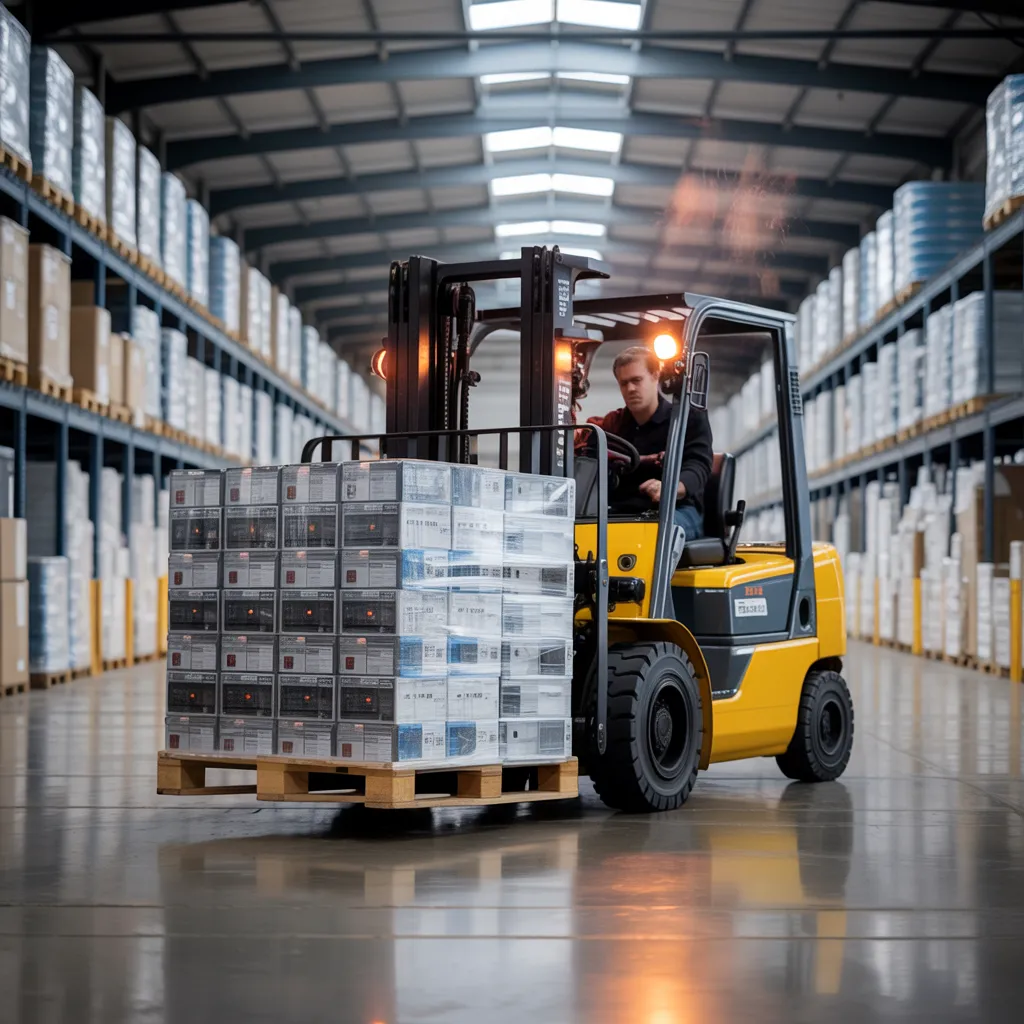
How to Get Started With Pallet Liquidation
Getting started with pallet liquidation requires careful planning and informed decision-making. Individuals interested in this market must first assess their goals, whether for personal use or resale. Familiarizing oneself with the kinds of items frequently included in liquidation pallets is vital, since it directly shapes buying decisions. Studying market trends helps uncover profitable merchandise, which leads to a more calculated approach.
Moreover, setting a budget is vital; prospective purchasers should figure out their spending limit while taking into account additional costs such as shipping, storage, and potential repairs.
Creating a workspace to organize and examine items is equally important, enabling thorough inventory control.
In conclusion, establishing realistic goals aids in managing the early learning phase. By tackling pallet liquidation with a methodical strategy and specific targets, beginners can enhance their chances of success in this ever-changing market.
Identifying Dependable Suppliers for Liquidation Pallets
Finding trustworthy sources for pallet liquidation is crucial for anyone stepping into this business. Your first move is to perform comprehensive research, using web-based directories and communities dedicated to liquidation pallets. These outlets often display ratings and reviews that can help gauge vendor reliability. Engaging with local commercial networks or visiting liquidation auctions can also offer helpful guidance and referrals.
In addition, potential buyers should look for suppliers with transparent operations, offering clear information about their sourcing methods and stock. It's advisable to ask for sample pallets before making substantial purchases, as this enables buyers to assess the condition and quality of the items. Trustworthiness can also be assessed by a supplier's customer support; quick and detailed replies indicate professional standards. Ultimately, developing a dependable relationship with suppliers can result in more favorable terms and steady inventory, critical for achieving success in the liquidation pallet industry.
How to Inspect Pallet Liquidation Items
Evaluating pallet liquidation inventory demands a systematic method. Essential considerations include reviewing the product state, assessing market demand, and validating brand integrity. By addressing these aspects, investors can make educated purchasing judgments that maximize profitability.
Evaluate Product Condition
Evaluating the condition of merchandise in pallet liquidation is essential for maximizing potential profit. Purchasers must carry out a thorough inspection of products to establish their usability and resale value. This includes looking for physical damage, ensuring that all components are present, and evaluating whether products are new, refurbished, or used. A detailed inventory list can aid in this process, allowing for easier tracking of goods' conditions. Additionally, knowing return policies and warranties may impact purchasing decisions. By carefully appraising product condition, purchasers can make informed choices that complement their business strategies, ultimately leading to more successful liquidation outcomes. Careful evaluation not only safeguards investments but also enhances overall market competitiveness.
Evaluate Market Demand
Understanding marketplace demand is a pivotal aspect of evaluating pallet liquidation merchandise. Buyers must examine current trends to pinpoint which goods hold the highest resale potential. This involves examining popular niches, such as electronics, home goods, and apparel, and measuring seasonal fluctuations that may impact demand. Utilizing online marketplaces and marketplaces can offer insights into pricing and consumer preferences. Moreover, observing social media and customer reviews can highlight new trends and inclinations. By comprehending the target demographic and their purchasing behavior, resellers can make informed decisions, ensuring they identify pallets that are not only in demand but also capable of yielding a profitable return. Thorough evaluation of market demand consistently strengthens the performance of pallet liquidation ventures.
Confirm Brand Authenticity
Verifying brand legitimacy is critical for maximizing returns in the wholesale liquidation sector. Resellers need to carry out comprehensive due diligence to guarantee the products they acquire are genuine. This requires examining packaging materials, brand markings, and item descriptions against established brand documentation. Comparing against manufacturer portals and user feedback can provide insights into the credibility of the goods. Moreover, making use of digital scanning solutions or brand verification services can additionally validate a product's legitimacy. Reviewing seller histories on trading platforms and industry forums is also critical, as established sellers often provide legitimate merchandise. By emphasizing genuine merchandise, sellers can increase their selling potential and limit exposure to fake merchandise, consequently maximizing their returns in the challenging liquidation industry.
Identifying Risks When Buying Liquidation Pallets
When purchasing liquidation pallets, purchasers need to recognize several inherent risks. Concealed costs can significantly affect profitability, while quality variability may affect overall satisfaction with the merchandise. Additionally, conducting thorough market research is essential to reach well-informed decisions and minimize these potential risks.
Concealed Costs to Consider
What hidden costs could emerge when buying liquidation pallets? Shoppers commonly misjudge the likely hidden charges connected to these purchases. Shipping fees can vary notably, especially for bulk orders, potentially inflating the overall expense. Moreover, buyers might come across unanticipated handling expenses when the pallets reach them, particularly when special machinery is required for unloading. Warehousing costs may additionally emerge if purchasers do not have sufficient space to store the merchandise. Additionally, return or removal expenses can mount if items are defective or unsalable. Ultimately, the hours devoted to classifying and documenting goods can convert into personnel costs, increasing the overall spending. Awareness of these hidden costs is essential for buyers to guarantee a successful liquidation experience.
Quality Variability Concerns
How can buyers guarantee they receive quality products when purchasing liquidation pallets? Product quality inconsistency is a notable challenge in the liquidation market, as products can range from new to damaged or unsellable. Purchasers frequently encounter the risk of obtaining items that fall short of their expectations, leading to potential financial losses. To minimize these risks, it is vital for buyers to carry out detailed research on suppliers, such as reading customer reviews and confirming their reputation. Moreover, reviewing sample pallets or obtaining detailed manifests can deliver useful information about the expected quality. Familiarizing oneself with return policies and warranty options can further help buyers protect their investments. In the end, thoroughness and a careful approach are essential to navigating the quality uncertainties in liquidation pallets.
Market Research Necessities
Issues surrounding quality variability demand a comprehensive understanding of the risks associated with buying liquidation pallets. Buyers must conduct thorough market research to pinpoint potential hazards, such as deceptive item descriptions and undisclosed damage. Knowing where the pallets originate from is crucial; established dealers usually deliver more consistent products. Moreover, buyers should evaluate the possible resale worth of products included in the pallets, as market demand can fluctuate considerably. Knowledge of product categories helps in making well-informed choices. Beyond that, reviewing return policies and warranty options can mitigate financial risks. By keeping these considerations in mind, shoppers can manage the liquidation market more successfully, minimizing the risk of unanticipated losses and optimizing potential returns.
How to Effectively Resell Liquidation Products
Reselling liquidation goods can be a profitable endeavor when approached with strategy and care. Achieving results starts with comprehensive product inspection; grasping the item quality and likely selling price is critical. Sellers should categorize items into tiers—brand-new, restored, and secondhand—to appeal to a broader range of buyers.
Strategic marketing is a key factor; leveraging online marketplaces like eBay, Amazon, or dedicated liquidation websites can connect you with get going interested buyers. Professional photographs and thorough descriptions boost credibility and attractiveness.
Pricing models need to account for both the initial cost and market demand; well-positioned pricing can lead to faster sales. Moreover, building strong customer relationships through exceptional service drives repeat business.
Moreover, being aware of market trends and consumer preferences allows merchants to tailor their offerings appropriately, increasing earning potential. Through applying these approaches, individuals can successfully manage the complexities of the liquidation industry, guaranteeing a profitable selling journey.
Managing Your Budget for Liquidation Purchases
Effectively handling a budget for purchasing liquidation goods is essential for anyone looking to thrive in this market. A carefully structured budget helps buyers assess their spending boundaries and rank prospective acquisitions. It is critical to investigate the typical prices of pallets, accounting for delivery and handling costs, to stay within financial boundaries.
Buyers should also establish a clear approach for the amount of capital to allocate for various inventory types, maintaining a well-rounded approach that reduces financial risks. Tracking expenses and sales can offer important data, allowing for adjustments in upcoming financial plans.
Reserving a emergency fund for unexpected costs or opportunities can greatly improve financial flexibility. Buyers must also remain disciplined, avoiding the urge to surpass their spending limits for spontaneous acquisitions. By prudently handling their finances, buyers can optimize their profits and establish a reliable method to liquidation purchasing.
Developing a Lucrative Liquidation Business
When people join the liquidation market, building a profitable business requires a well-planned strategy that covers sourcing, inventory management, and sales techniques. Accomplished sellers commence by identifying dependable suppliers for top-tier liquidation pallets, including auctions and wholesale suppliers. Grasping market dynamics is critical; savvy buyers focus on market-driven inventory to optimize profit margins.
Successful inventory management encompasses monitoring stock quantities and assessing the profitability of products. This allows business owners to make well-informed choices regarding restocking and pricing. Furthermore, utilizing a variety of sales channels—including online marketplaces, local flea markets, or brick-and-mortar stores—can enhance visibility and reach a broader audience.
Marketing strategies also play a pivotal role. A strong social media presence combined with targeted advertising helps attract customers and boost sales. In the end, a well-rounded strategy encompassing sourcing, management, and marketing allows individuals to succeed in the demanding liquidation market, creating a path toward long-term profitability.
Common Questions and Answers
What Kinds of Products Can Be Found in Liquidation Pallets?
Liquidation pallets commonly contain a wide range of items, including home goods, electronics, furniture, clothing, and seasonal products. These pallets often include surplus stock from retailers, excess inventory, or returned items. Often, the products are new or gently used, although some items may need minor repairs. Shoppers can discover brand-name products alongside lesser-known labels, presenting options for resale or personal use at lower prices, making them an appealing choice for individuals and small businesses alike.
How Do Shipping Costs Affect Pallet Liquidation Purchases?
Shipping expenses significantly affect pallet liquidation purchases by adding to the overall expenditures. Resellers should evaluate these costs when assessing projected margins, as steep transportation costs can diminish returns. Furthermore, shipping rates may vary based on the weight of the pallets and distance, impacting acquisition strategies. A thorough understanding of these costs can enable resellers to make well-informed selections, ensuring that the possible profits from product resale outweigh the freight expenditures accumulated.
Are There Seasonal Trends in Pallet Liquidation Availability?
Seasonal trends in pallet liquidation availability are evident, with certain times of the year showing increased stock. Generally, following major holidays or retail seasons, surplus inventory results in greater liquidation opportunities. Moreover, the spring and summer months regularly witness an increase in liquidation as retailers offload seasonal products. In contrast, the winter months tend to experience reduced activity, as companies prioritize holiday sales, influencing the availability of liquidation pallets.
Are Liquidation Pallets Available for Purchase in Smaller Quantities?
Indeed, you can buy liquidation pallets in reduced quantities. Many wholesalers and liquidation companies offer options for buyers looking to acquire fewer pallets, catering to individual resellers or small businesses. Such flexibility allows purchasers to explore the market or handle their inventory with greater efficiency. That said, availability can differ, and it's advisable for potential purchasers to research suppliers to find those who specifically accommodate smaller orders.
What Are the Tax Implications of Reselling Liquidation Goods?
Reselling liquidation merchandise involves particular tax considerations. Income tax is typically applied to profits generated from resale, meaning individuals must report their earnings on tax returns. In addition, sales tax might be required, according to the local regulations and the category of items sold. It is recommended that resellers maintain thorough documentation of purchases and sales to guarantee compliance with tax regulations. Consulting a tax professional can help clarify individual responsibilities and potential deductions.